



【MCP Server】Zoho Books × Claude Desktop 連携ガイド | AI でデータを徹底活用

Model Context Protocol (MCP) is an emerging, open-source standard for connecting LLMs with external services and data sources. Through MCP Servers, AI clients can perform actions like opening Jira tickets, posting Slack messages, committing GitHub branches and more. With CData MCP Servers, these capabilities expand exponentially.
In this article, we guide the reader through installing the CData MCP Server for Zoho Books, configuring the connection to Zoho Books, and asking questions of the data in Claude Desktop.
Prerequisites
You need to download Claude Desktop (download) and create an account before continuing.
Overview
Here's a quick overview of the steps:
- Download and install the CData MCP Server for Zoho Books
- Configure the connection to Zoho Books
- Ask questions about the data in Claude Desktop
Step 1: Download and install the CData MCP Server
- To begin, navigate to https://www.cdata.com/solutions/mcp/connectors and download the CData MCP Server for Zoho Books.
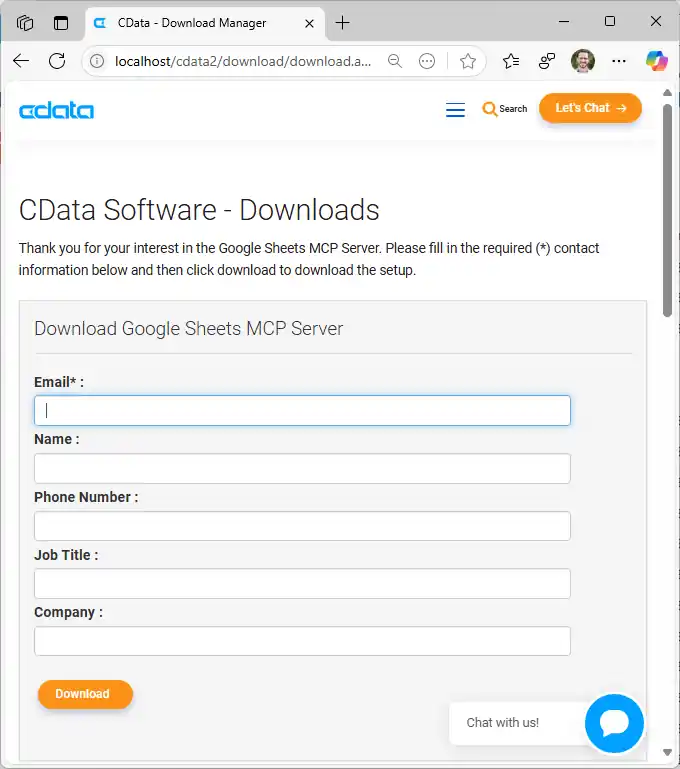
- Find and double-click the installer to begin the installation.
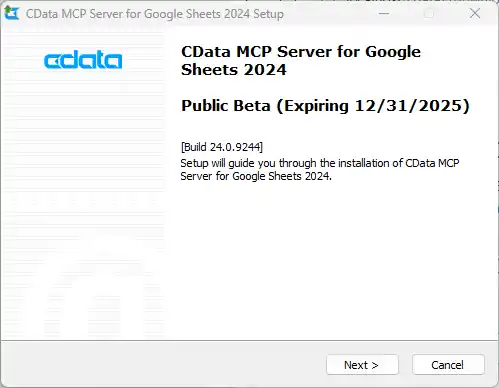
- Follow the prompts to complete the installation.
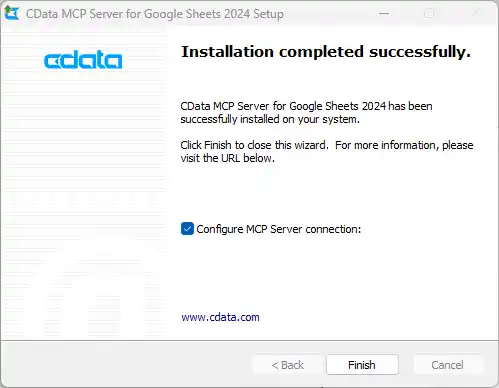
When the installation is complete, you are ready to configure your MCP Server by connecting to Zoho Books.
Step 2: Configure the connection to Zoho Books
- After installation, the CData MCP Server configuration wizard should open automatically.
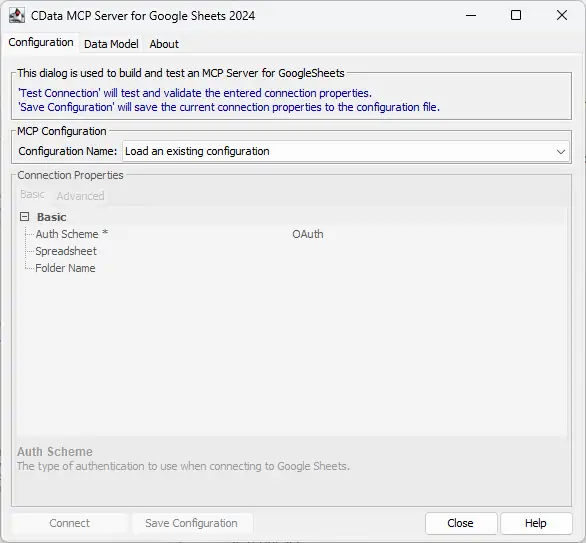
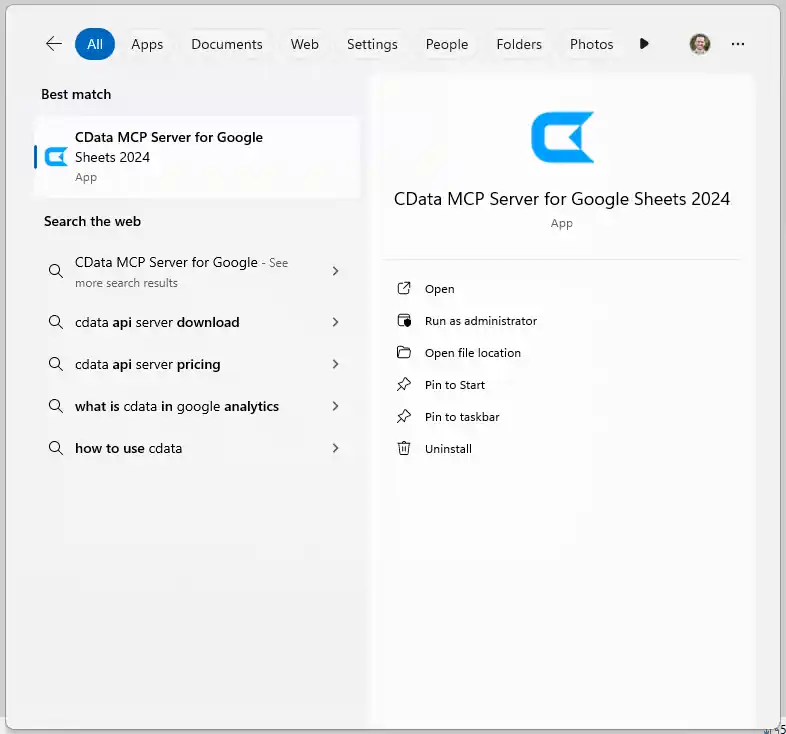
NOTE: If the wizard does not open automatically, search for "CData MCP Server" in the Windows search bar and double-click the application.
- Click the dropdown menu in MCP Configuration > Configuration Name and select "
" 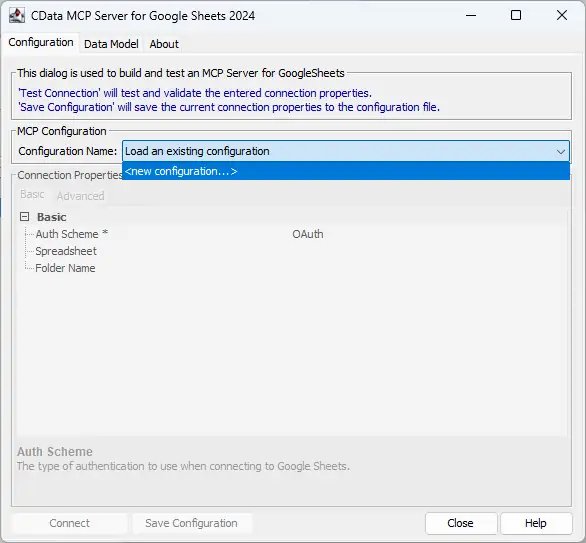
- Name the configuration (e.g. "cdatazohobooks") and click "OK."
NOTE: This name is used as the name for the MCP server and as the prefix for all of the MCP Server's tools.

Connecting to Zoho Books
Zoho Books 接続プロパティの取得・設定方法
以下の接続プロパティを使用して、取得されるZoho Books データを正確に絞り込むことができます。
- Region:サーバーURL のトップレベルドメイン(TLD)。アカウントが米国以外のドメインにある場合は、リージョンを適宜変更してください。
- OrganizationId(オプション):接続先の特定のZoho Books 組織に関連付けられたID。
- Organization Id の値が接続文字列で指定されていない場合、ドライバーは利用可能なすべての組織を自動的に取得し、最初のOrganization Id をデフォルトとして選択します。
Zoho Books への認証
Zoho Books はOAuth 認証標準を使用します。詳しくは、ヘルプドキュメントの「はじめに」セクションを参照してください。
Enter the appropriate connection properties in the configuration wizard.
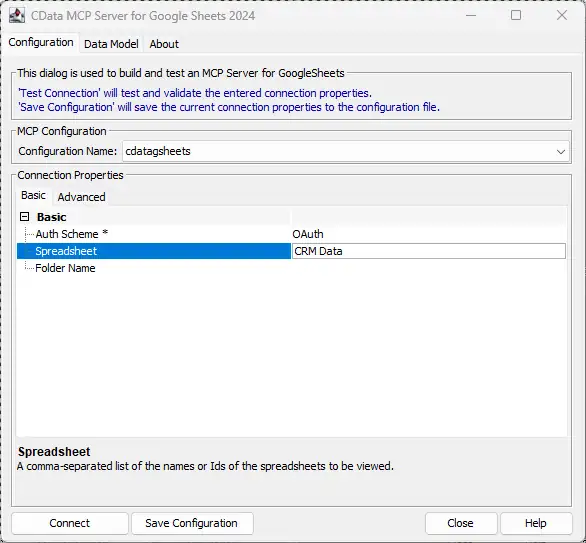
- Click "Connect" to authenticate with Zoho Books through OAuth.
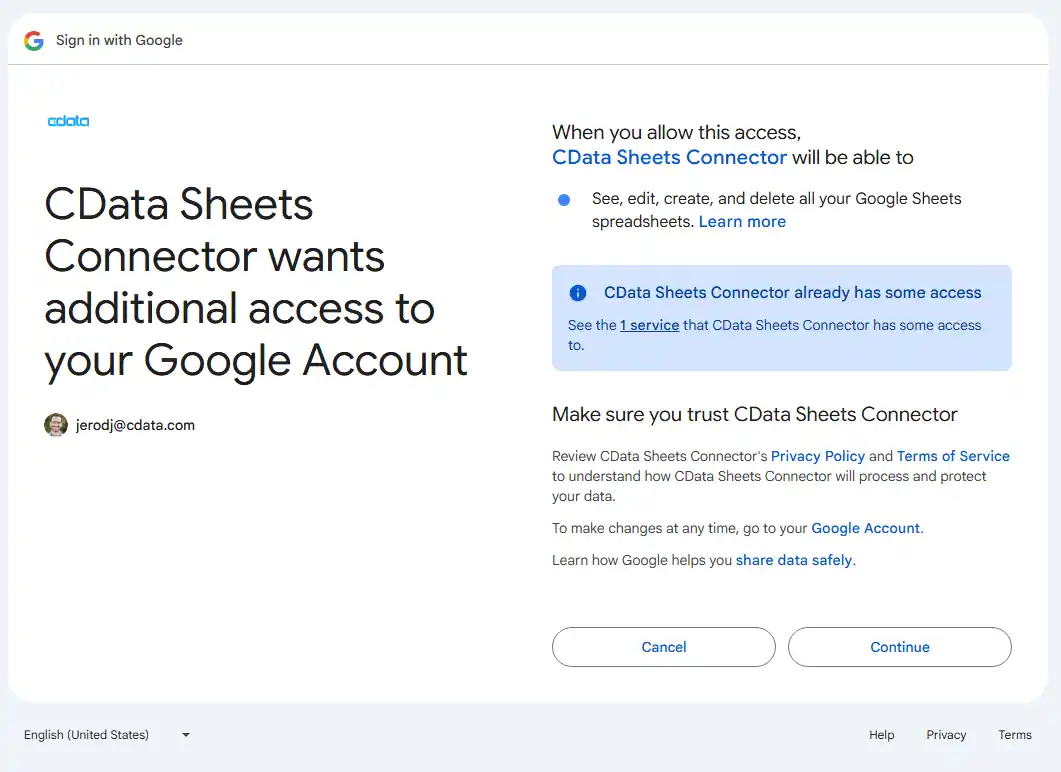
NOTE: The configuration wizard should open your browser and ask you to sign into Zoho Books. If your browser does not open, close the configuration wizard and re-open the application using "Run as Administrator" (see below).

- Finally, click "Save Configuration" to save the MCP server.
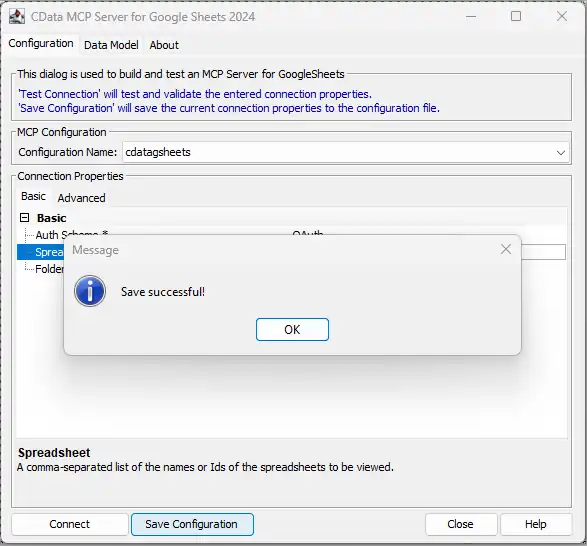
NOTE: This saves the configuration details to a separate file and updates the Claude Desktop configuration file (claude_desktop_config.json) to start the CData MCP Server when the Claude Desktop client starts.
With the CData MCP Server configured, you are ready to start asking questions of your live data from Claude.
Step 3: Ask AI for answers from live Zoho Books のデータ
Now that we have installed the CData MCP Server and configured a connection, we are ready to start with Zoho Books のデータ in Claude Desktop.
- Open Claude Desktop. It may take a moment for the MCP Servers to start, but you will see the list of servers and tools available in the Claude interface (look for the settings icon below the prompt bar).
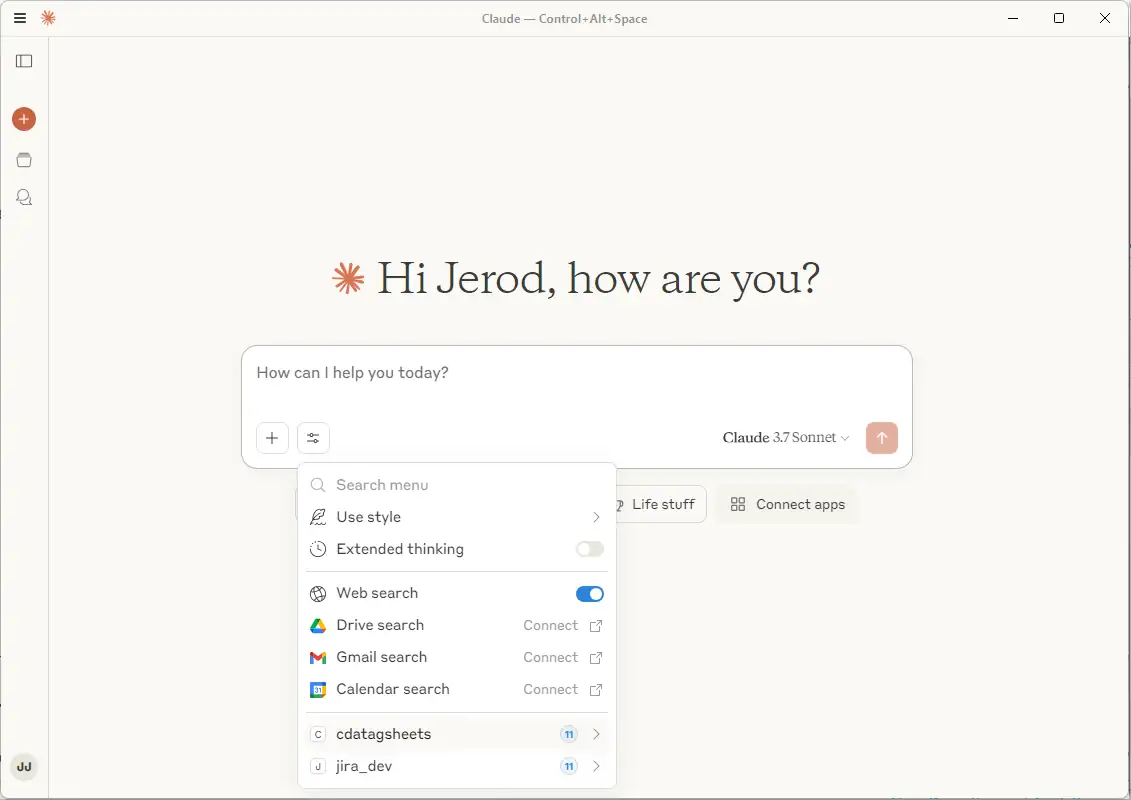
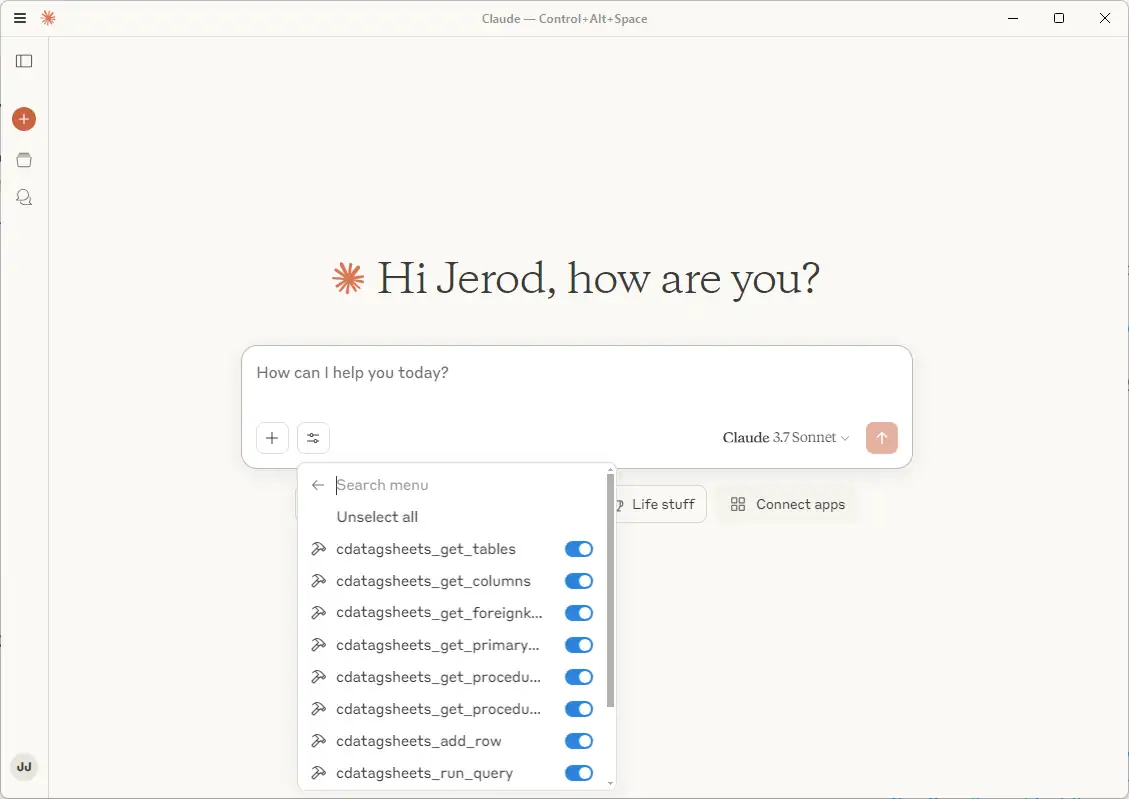
You can individually enable and disable specific tools by clicking on the server name.
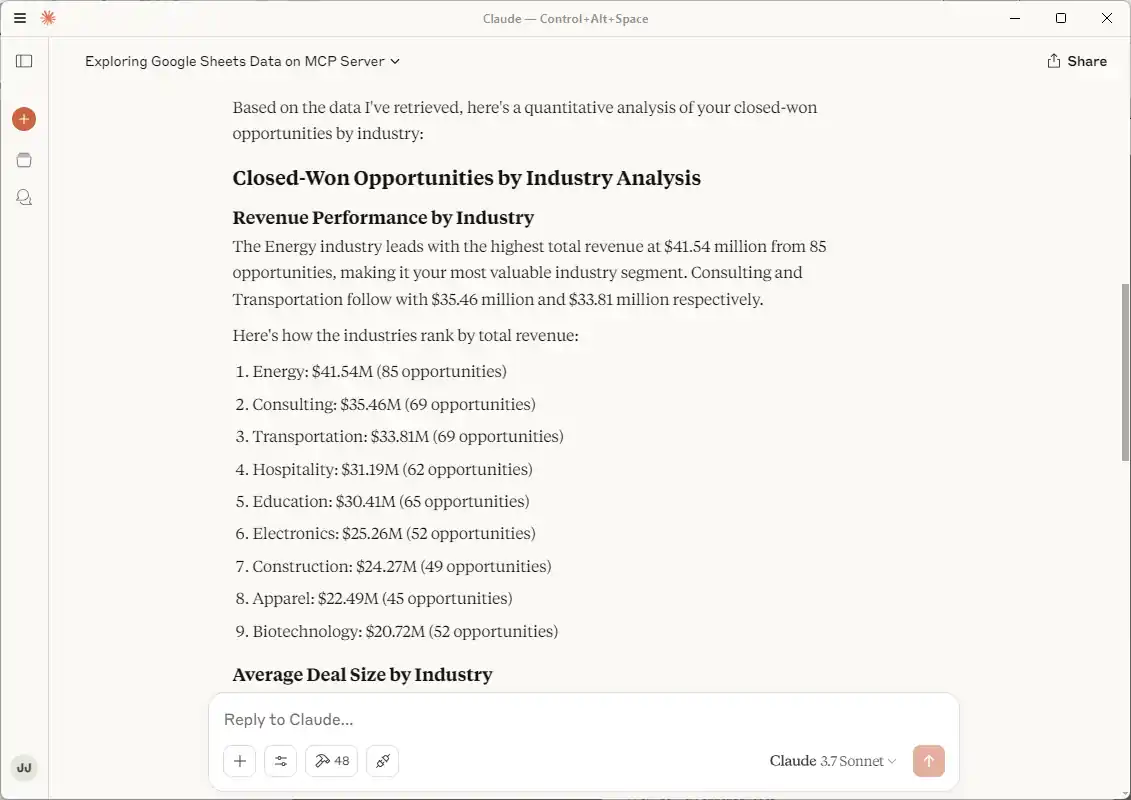
- Now that you have connected, you can ask Claude questions about the Zoho Books のデータ. For example: "Can you give me a quantitative analysis about my closed-won opportunities by industry?"
NOTE: Claude may need to explore the Zoho Books のデータ to make sense of it before it can begin answering questions of the data. The tabular model presented by CData alongside the database tools available simplify the data exploration and analysis for an LLM.
Connect your AI to your data today!
CData MCP Servers make it easier than ever for LLMs to work with live enterprise data. To explore the technology hands-on, download a free, 30-day trial or visit the CData Community to share insights, ask questions, and help shape the future of enterprise-ready AI.
はじめる準備はできましたか?
Zoho Books MCP Server の無料トライアルをダウンロード:
ダウンロード詳細:
 Zoho Books MCP Server
お問い合わせ
Zoho Books MCP Server
お問い合わせ
The CData MCP Server for Zoho Books allows you to connect with live Zoho Books data, directly from LLMs that support MCP.